My Roof. My Power. My Plan.
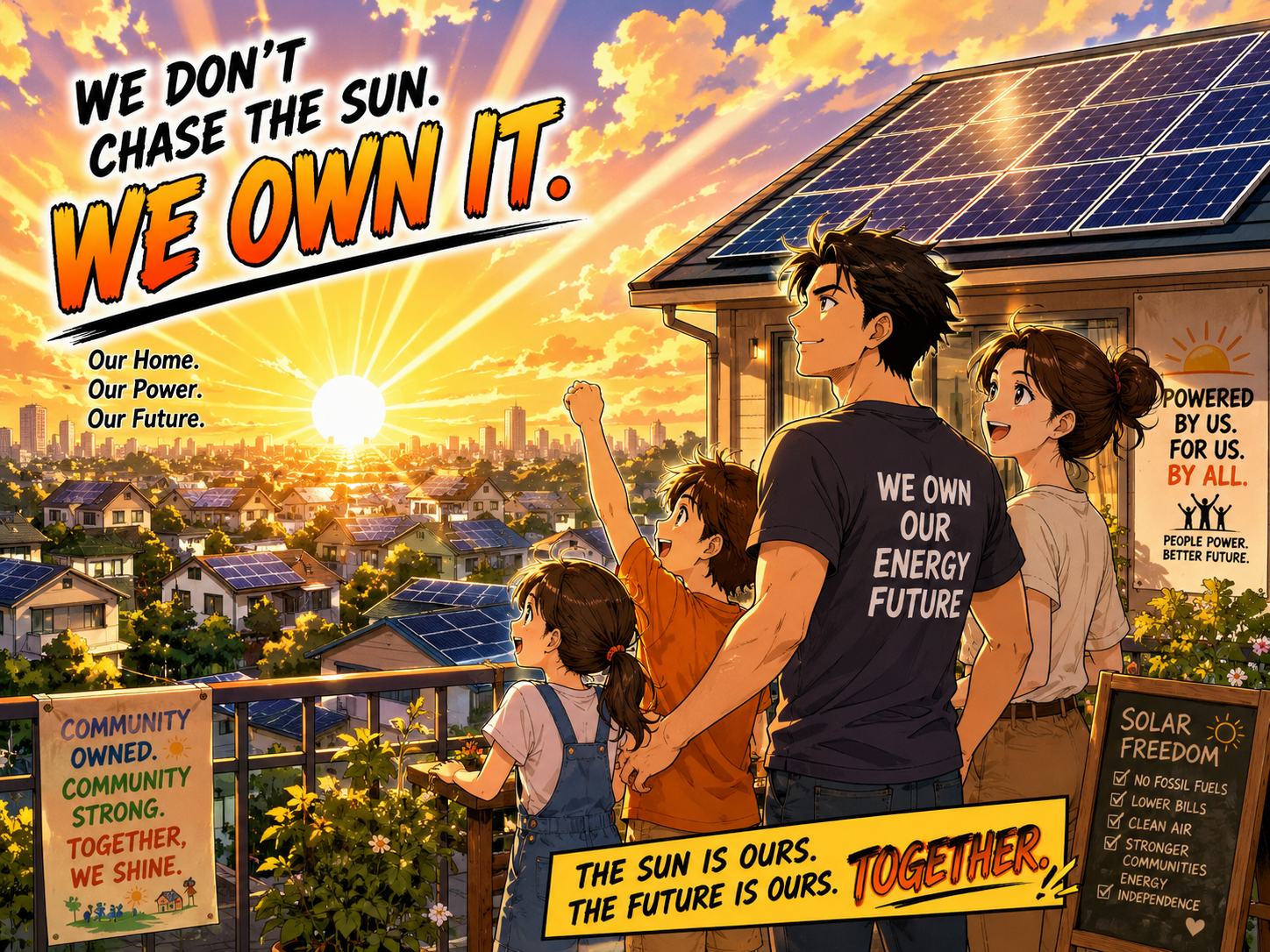
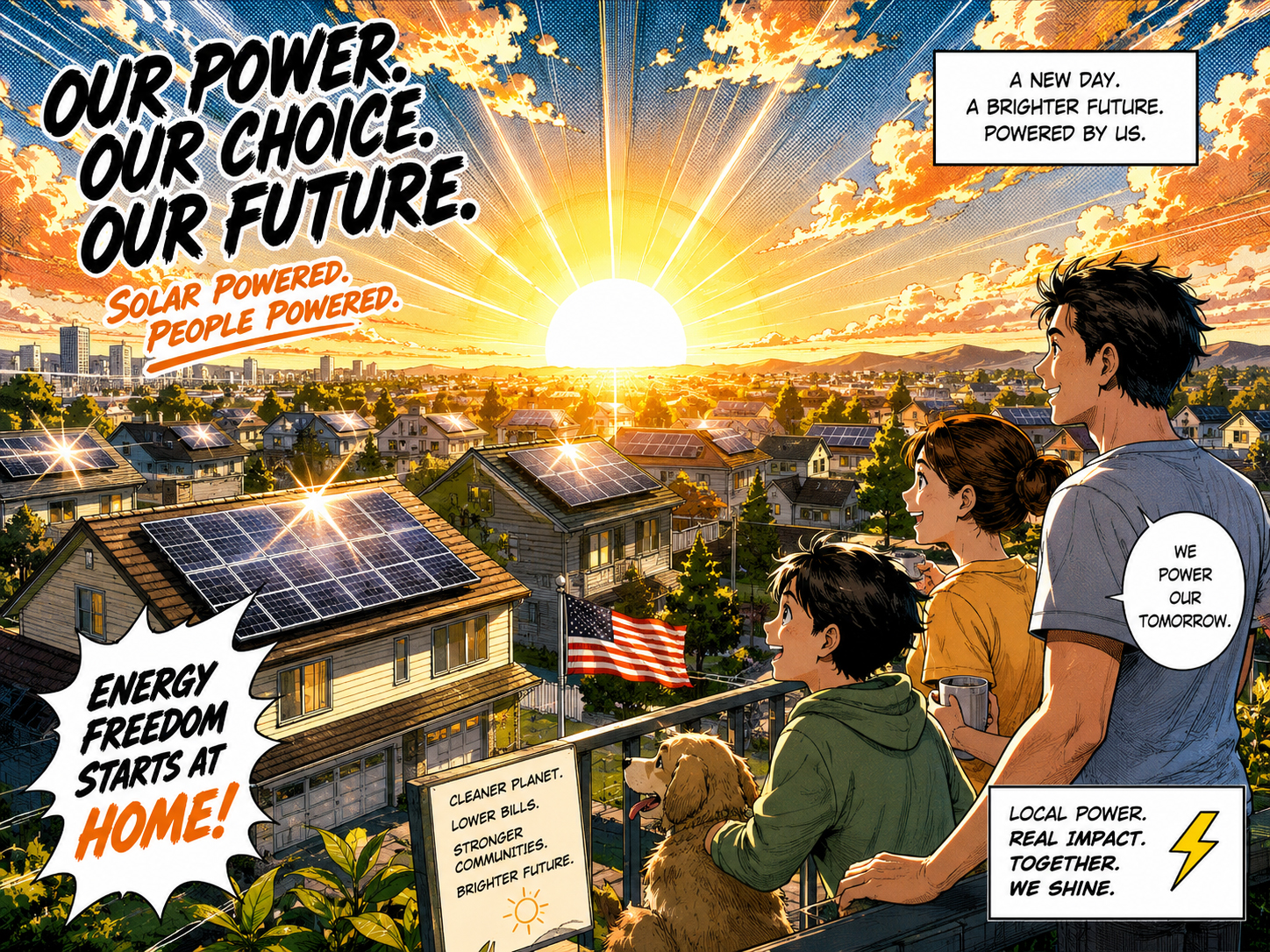
The day begins quietly. A homeowner looks at the roof and sees something Chairman Kilowatt never wanted customers to notice: unused real estate sitting in full sunlight.
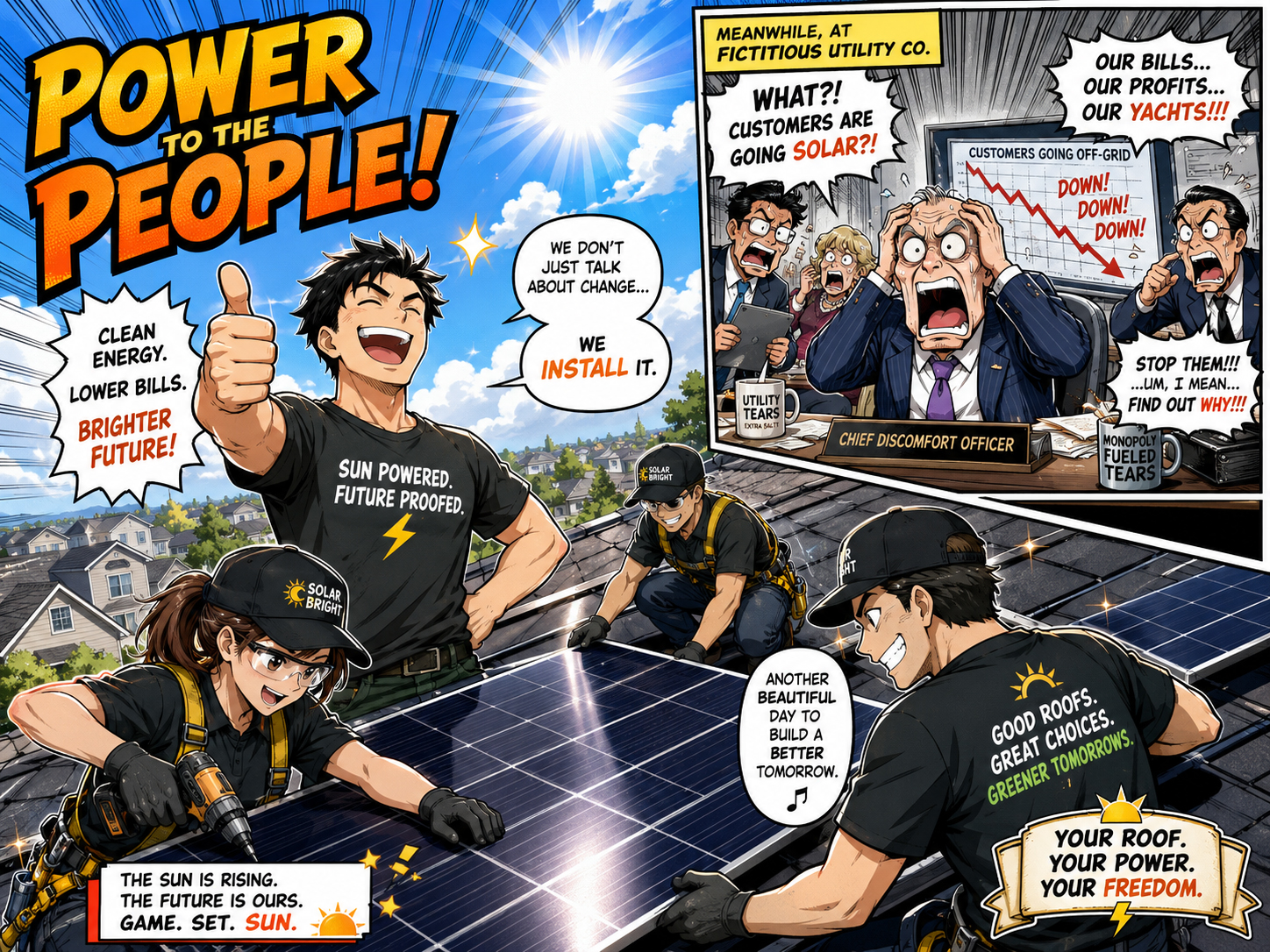
“Danger!” screams the fictional monopoly alarm. “The customer has discovered the roof is not just a hat for the house.”
In SolarPanic, that moment is revolutionary. Not because one solar system destroys a monopoly. Because one solar system changes the customer’s posture. The customer starts asking design questions instead of just bill questions.
Ownership Changes the Conversation
When a customer owns solar, the conversation becomes more practical and more powerful. How much roof space is available? What loads matter most? What does the home need during an outage? Should batteries support critical circuits? How do peak hours affect the design?
The fictional monopoly prefers customers who feel trapped inside the bill. Solar Sensei prefers customers who understand their options.
SolarPanic punchline: the old model wanted a passive meter. The sun created an active customer.
The Family Owns Part of the Solution
Consumer-owned solar does not mean the grid disappears. It means the customer owns part of the energy solution at the site where energy is used. That can change bills, backup planning, resilience, and the entire psychology of energy.
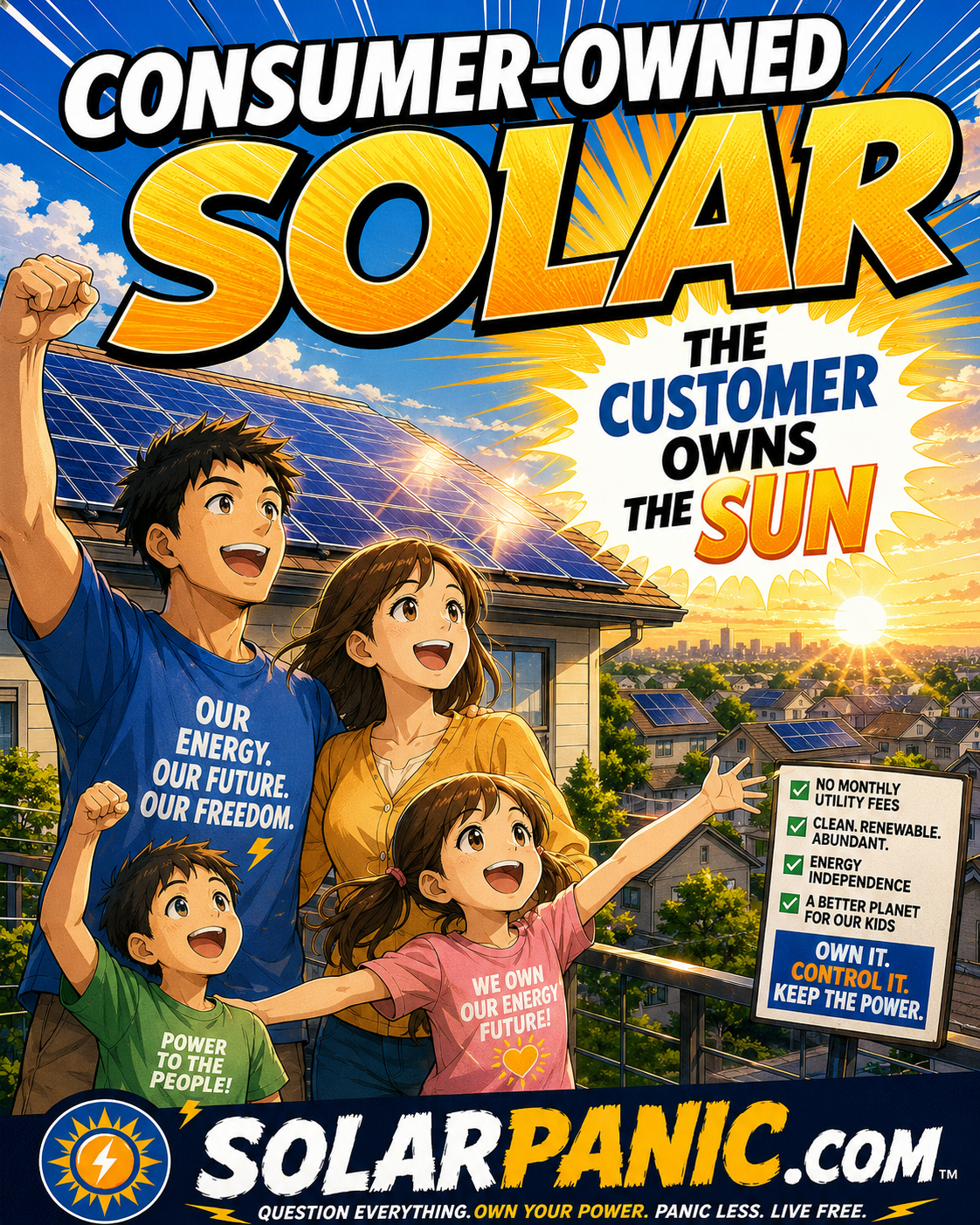
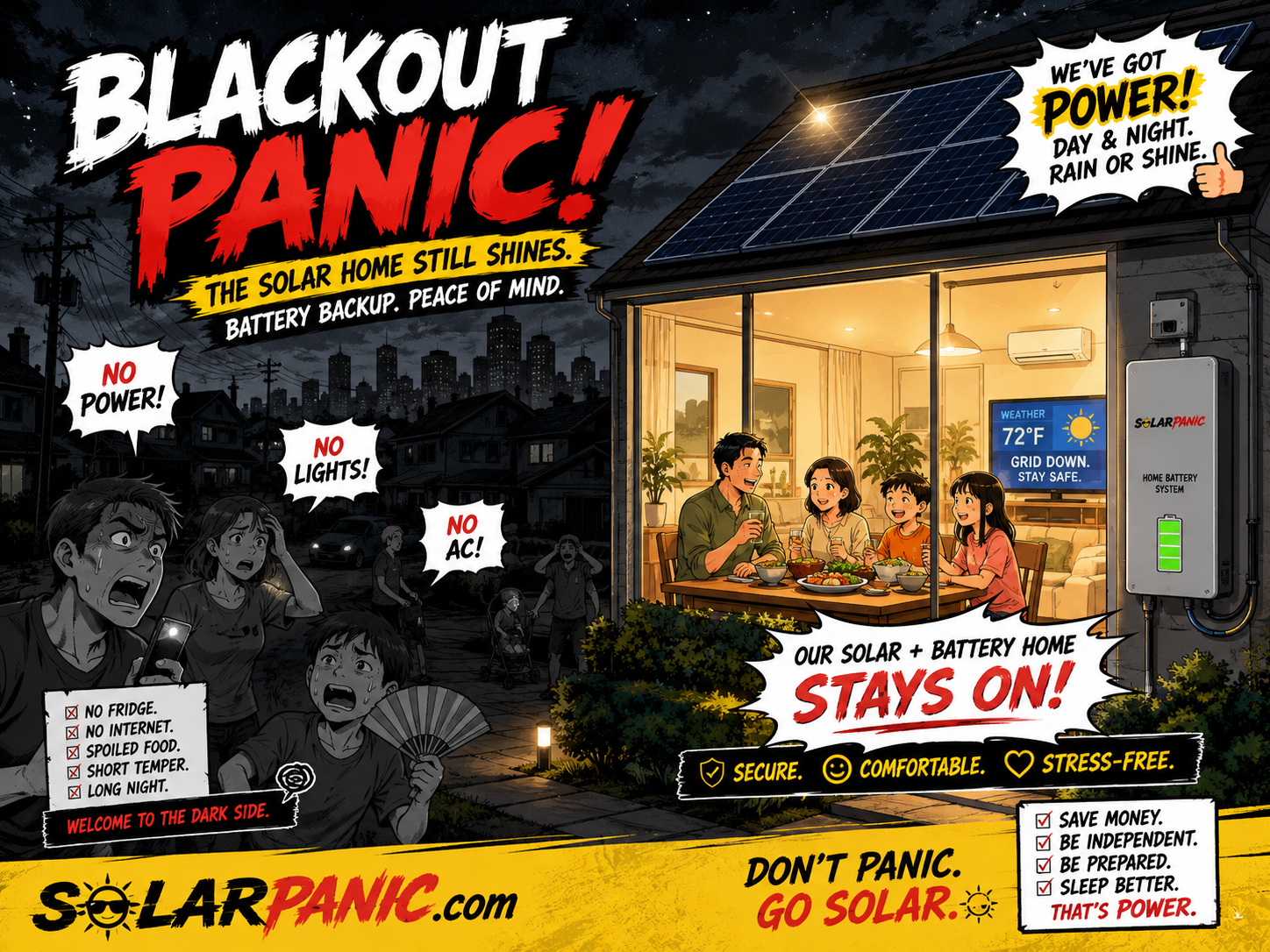
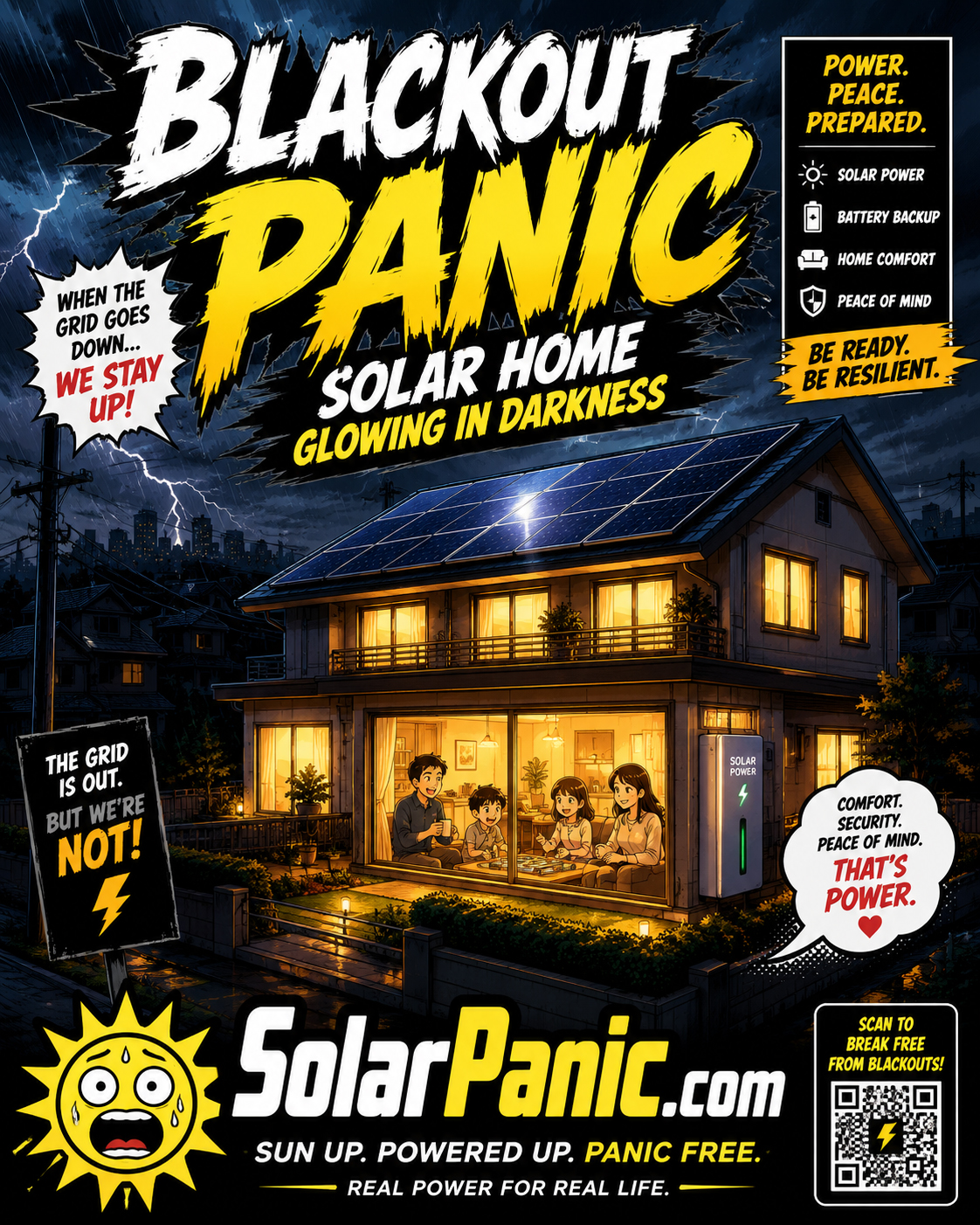
The family in SolarPanic is not trying to become a utility empire. They are trying to make the house smarter, more prepared, and less helpless when rates spike or the grid gets weird.
Solar Plus Battery: The Boardroom Nightmare
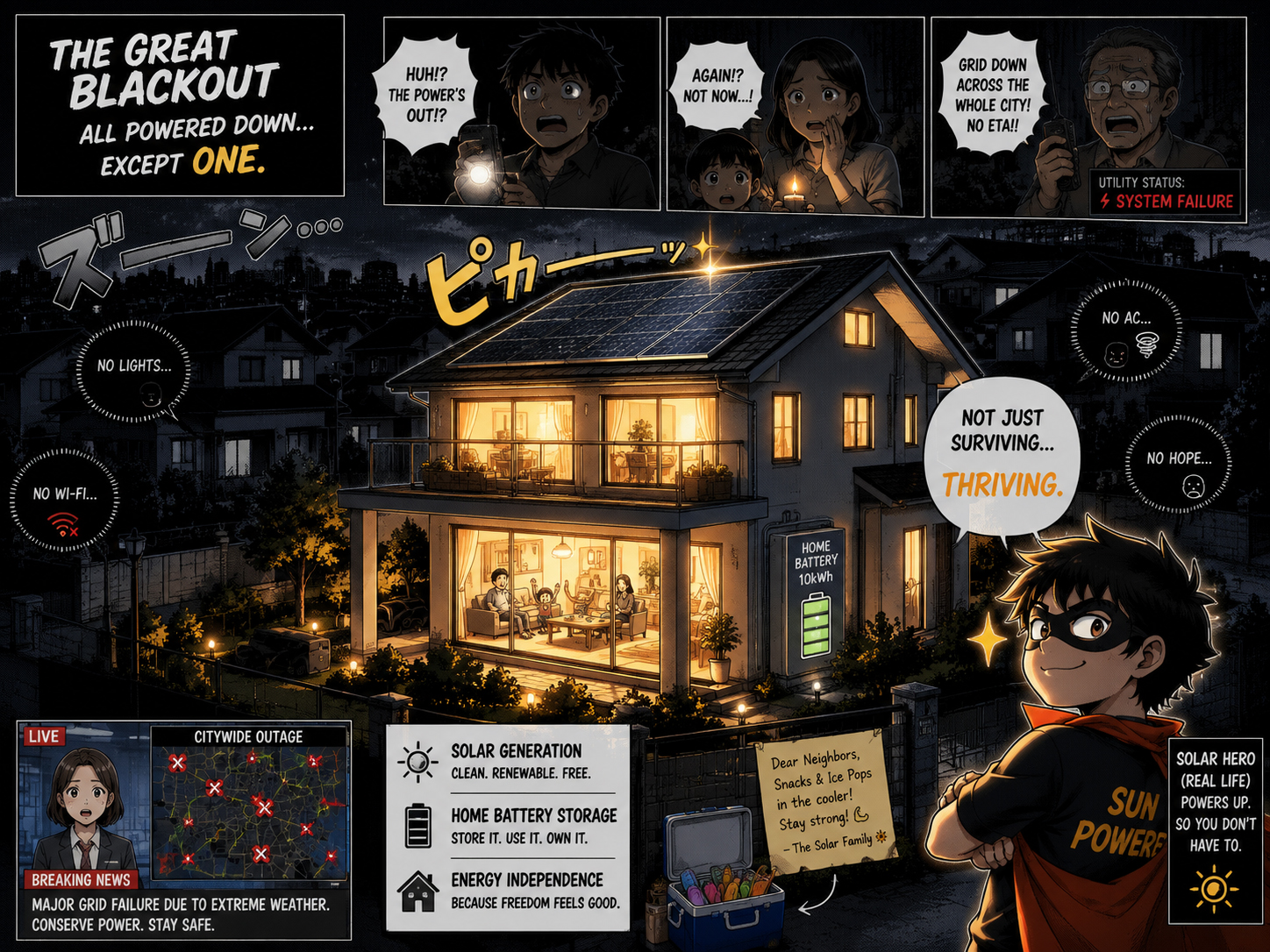
Solar alone makes Chairman Kilowatt nervous. Solar with a battery makes the whole fictional boardroom grab the emergency donuts.
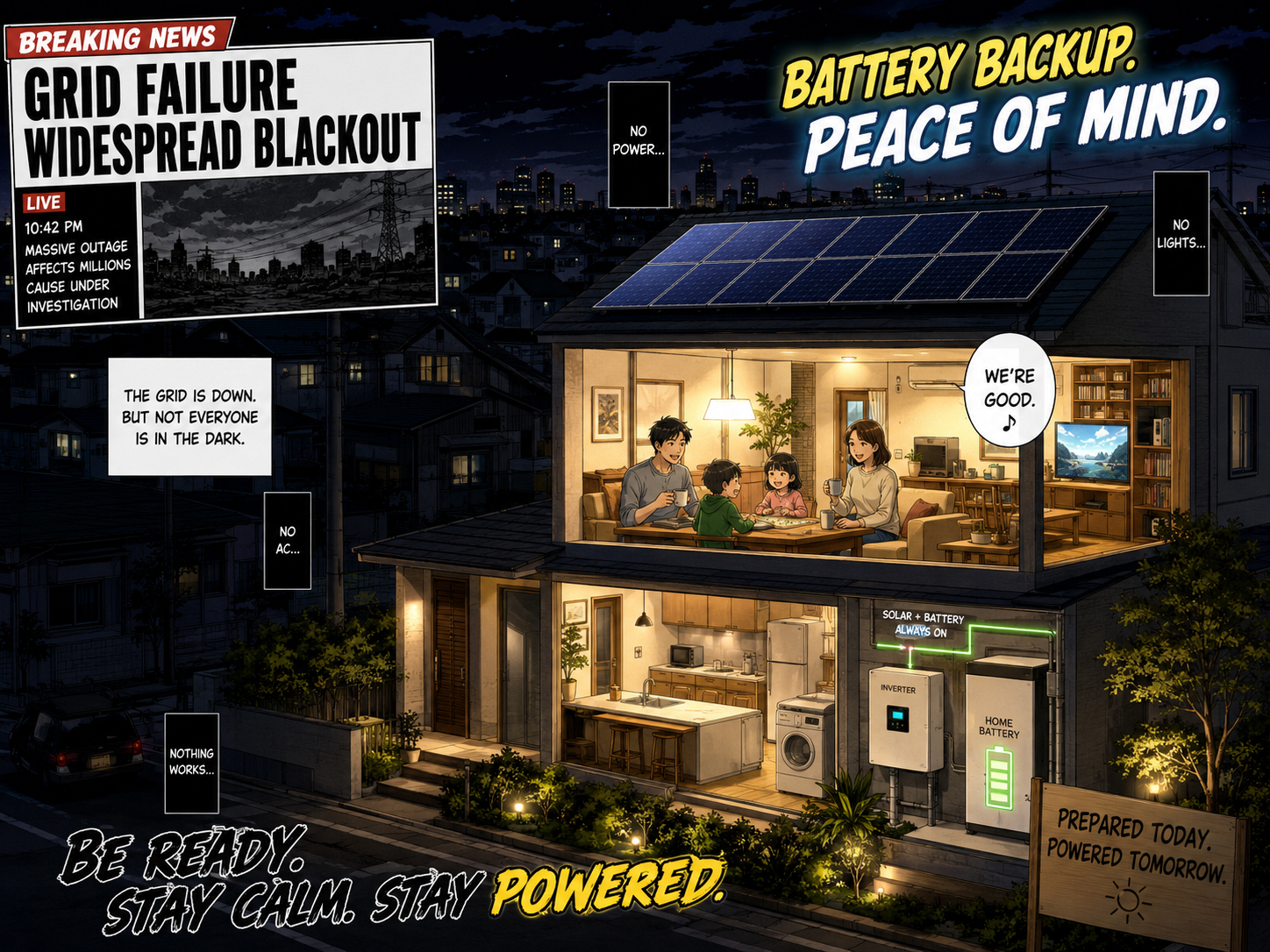
Why? Because a battery gives the system timing. It can store energy. It can support selected critical loads. It can help the customer think beyond the moment the sun is shining.
The Customer Becomes Harder to Scare
Monopoly panic depends on confusion. It wants every rate change, outage, tariff, and rule change to feel like a mystery. But an informed solar customer becomes harder to scare because the conversation moves from fear to design.
- What do we want to power?
- What happens during peak hours?
- What should stay on during a blackout?
- How much battery capacity makes sense?
- How should the system be installed and inspected?
“They are asking system-design questions!” cries the Permit Goblin. “This is terrible for confusion!”
Consumer-Owned Solar and the Homework Attack
Once customers understand ownership, they also start questioning policy. That is why the SolarPanic flagship story now begins with the 18-commissioner bonus episode. The fictional monopoly tries to bury public oversight in homework. The public answers with more readers.
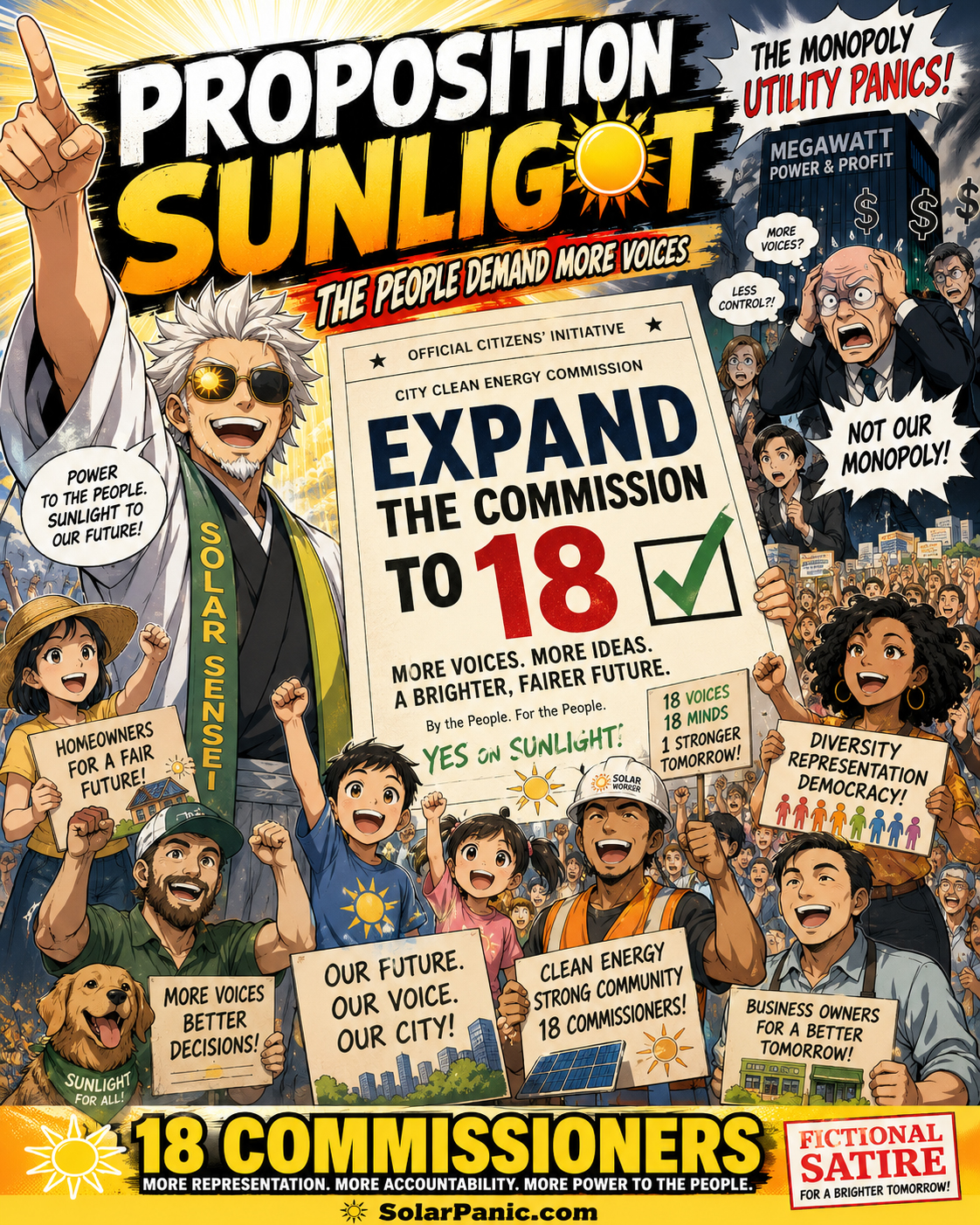
Consumer-owned solar is the spark. Public accountability is the firelight. The fictional monopoly cannot panic its way out of a customer base that has learned to ask better questions.
Final caption: Every rooftop panel is a tiny declaration that the customer is no longer helpless.